
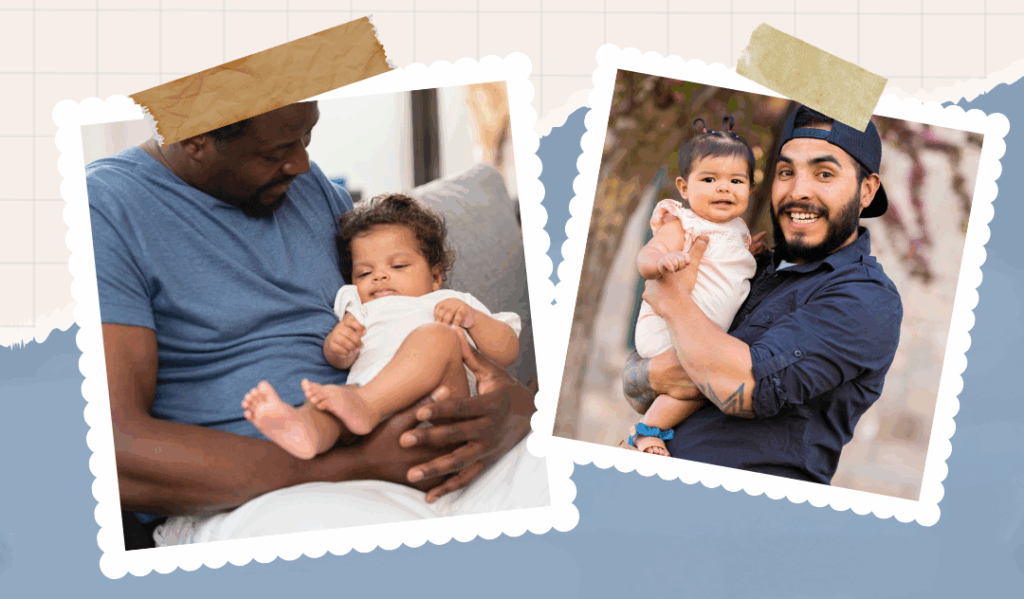
It’s no secret that fathers play an integral role in children’s lives as well as in the lives of their partners. This past Sunday, we celebrated Father’s Day, honoring all the men who have taken on the role of “dad.”
However, like motherhood, Many Mothers know it’s not always easy, and that fatherhood comes with its own unique set of challenges. June is also Men’s Mental Health Awareness month, and studies have shown that Perinatal Mood and Anxiety Disorders (PMADs) also impact men.
Did you know 1 in 10 new fathers suffer from postpartum depression? Their depressive symptoms spike between 3-6 months postpartum and can be expressed with the increase of substance use; they are more likely to be irritable, aggressive, and hostile, and tend to “check out” by distancing from the family and showing increased self-isolation.
Dads, know you’re not alone, and there is support:
- Fathers New Mexico (In-Person)
- Postpartum Support International Dad Support Group (Online)
- Postpartum Support International “Warm Line,” Call 1-800-944-4773 (English and Spanish
- First Time Father: A Men’s Group for Dads and Dads-to-Be (Facebook Group)
____________
No es ningún secreto que los padres desempeñan un papel fundamental en la vida de sus hijos, así como en la de sus parejas. El domingo pasado celebramos el Día del Padre, en honor a todos los hombres que han asumido el rol de “papá”.
Sin embargo, al igual que la maternidad, muchas madres saben que no siempre es fácil y que la paternidad conlleva sus propios desafíos. Junio también es el mes de la Concientización sobre la Salud Mental Masculina, y estudios han demostrado que los Trastornos del Estado de Ánimo y la Ansiedad Posparto (TAPM) también afectan a los hombres.
¿Sabías que 1 de cada 10 nuevos padres sufre de depresión posparto? Sus síntomas depresivos se intensifican entre los 3 y 6 meses después del parto y pueden manifestarse con el aumento del consumo de sustancias, siendo más propensos a ser irritables, agresivos y hostiles, y tienden a desconectarse con el distanciamiento y el mayor aislamiento. Papás, sepan que no están solos y que hay apoyo disponible:
- Fathers New Mexico (Presencial)
- Grupo de Apoyo Internacional para Padres Posparto (En línea)
- Línea de Apoyo Internacional para Padres Posparto: Llame al 1-800-944-4773 (Inglés y español)
- Padres Primerizos: Un grupo de hombres para papás y futuros papás (Grupo de Facebook)